
Strasbourg, (eu24news) – Reducing Europe’s dependence on foreign suppliers while ensuring that patients have access to essential medicines, regardless of where they live, is at the heart of two major legislative reforms approved on Wednesday, November 25, by the European Parliament.
During the plenary session in Strasbourg, MEPs endorsed the Pharmaceutical Package and the Critical Medicines Act (CMA), marking a significant overhaul of the European pharmaceutical sector.
The reform seeks to strike a balance between industrial competitiveness, public health, and the sustainability of national healthcare systems. It also aims to address geographical disparities in access to treatments across the European Union.
The EPP Group, the largest political group in the European Parliament, welcomed the outcome. “I would like to express my sincere gratitude to all those who contributed to this success” said the SANT Chair Adam Jarubas (EPP, PL). He stressed that the reform had found the right balance between promoting innovative therapies for unmet medical needs, ensuring equal access to medicines across all Member States, and keeping treatments affordable, describing it as the most significant overhaul of the EU’s pharmaceutical framework in more than 20 years.
Tiemo Wölken (S&D, DE), rapporteur on the pharmaceutical package regulation, said “Antimicrobial resistance is an issue very close to my heart. When I started working here 10 years ago, we used to call antimicrobial resistance a silent pandemic. So, I’m therefore a particularly pleased that we secured two complementary incentives for the development of priority antimicrobials in Europe”. He also underlined that safeguards, including supply obligations, transparency requirements, and a turnover threshold, known as the blockbuster clause, had been introduced to prevent misuse of the voucher and avoid placing excessive pressure on national healthcare budgets. However, developing new antibiotics alone would not be sufficient to tackle antimicrobial resistance. Preserving their effectiveness through responsible and prudent use, while ensuring their availability across the European Union, would also be essential.
“The EPP Group has secured the right balance between strengthening Europe’s pharmaceutical industry, ensuring fair access to medicines for all patients and safeguarding the sustainability of our healthcare systems. We are protecting the investment needed to develop tomorrow’s treatments while making Europe a more attractive place for pharmaceutical research and innovation”, said Dolors Montserrat (EPP, ES), Vice-Chair of the EPP Group and Parliament’s lead negotiator on the Directive. “This agreement is an important step towards a genuine European single market for medicines, where patients in every European country can benefit from medical progress. Our ambition is clear: Europe must remain a global leader in pharmaceutical innovation, with patients at the heart of our decisions.”
First proposed by the European Commission in April 2023, the Pharmaceutical Package updates legislation that has governed the sector for two decades. Its priorities include reducing administrative burdens, accelerating access to new treatments, and tackling antimicrobial resistance, alongside stronger incentives for the development of antibiotics, paediatric medicines, and treatments for rare diseases.
Security of supply represents the other major pillar of the legislative overhaul. The Critical Medicines Act, proposed in March 2025, aims to strengthen European manufacturing capacity and reduce vulnerabilities in the supply chains of essential products, including antibiotics and insulin.
“Europe can no longer afford to depend on third countries for essential medicinal products,” said Tomislav Sokol (EPP, HR), EPP Group spokesperson on Public Health and Parliament’s lead negotiator on the Regulation.
A key shift concerns public procurement. Rather than relying solely on the lowest price, purchasing decisions will place greater emphasis on security of supply and European manufacturing through a “Buy European” approach. “By enabling Member States to join forces through collaborative procurement, we are also improving access to products, which is particularly important for smaller countries. We have also ensured that patients with rare diseases are not left behind by including orphan medicinal products in key provisions of the Act, while reinforcing solidarity between Member States”, Sokol pointed out.
Beyond strengthening Europe’s industrial base, the two legislative initiatives seek to bring economic and healthcare priorities closer together. The challenge now will be to translate these ambitions into tangible benefits for patients, narrowing disparities in access to medicines while creating favourable conditions for investment, research, and pharmaceutical manufacturing within the European Union.
European Parliament gives final green light to pharmaceutical reform and Critical Medicines Act

DiRedazione
26 Novembre 2026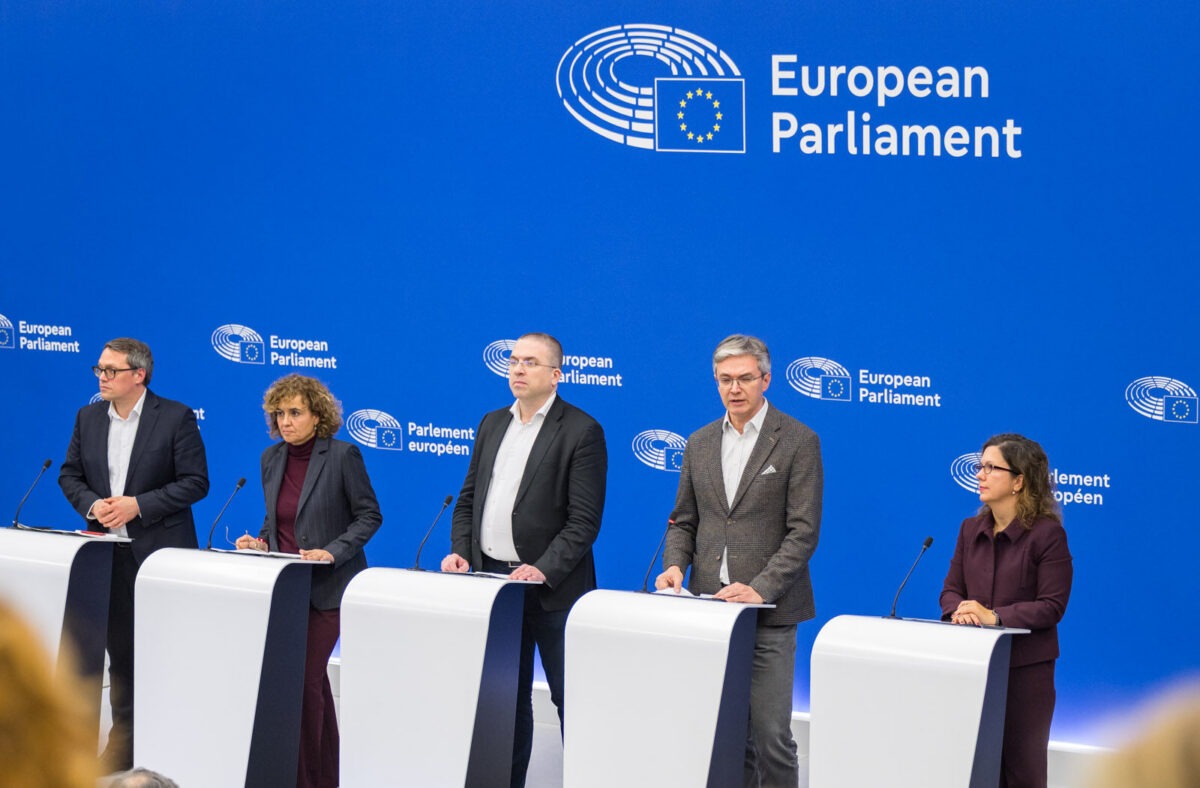 Press conference - Critical Medicines Act