

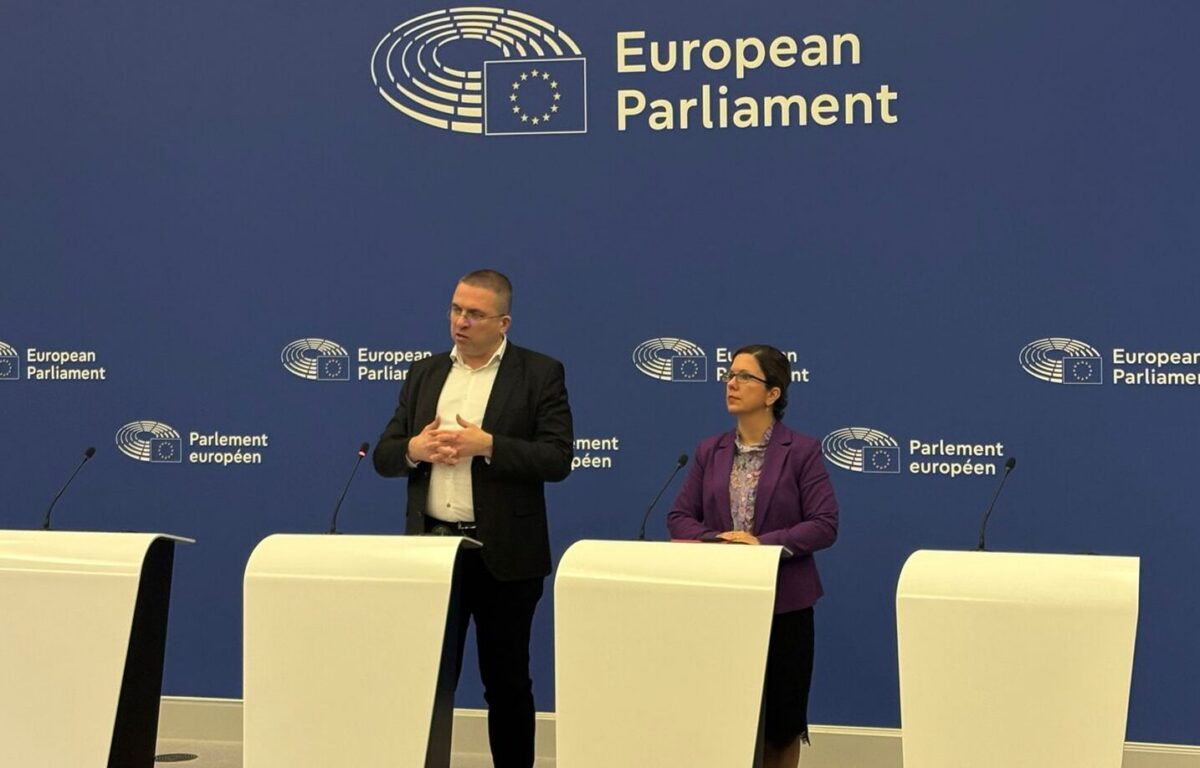
Strasbourg, 20 January 2026 (eu24news) – In a significant move to strengthen healthcare resilience across the European Union, the European Parliament today adopted with its position on the Critical Medicines Act during the plenary session in Strasbourg. The vote marks a key milestone in the legislative process, setting the stage for negotiations with the Council of the EU on finalising this ambitious regulation aimed at tackling persistent shortages of essential medicines.
The Critical Medicines Act (CMA) is designed to enhance the availability, security, and resilience of supply for critical medicines — including antibiotics, insulin, vaccines and treatments for chronic illnesses — which have faced repeated shortages in recent years. Over half of reported medicine shortages in the EU are caused by manufacturing issues and supply chain fragilities, underscoring the need for systemic reform.
The Parliament approved its position with a clear majority of votes (503 votes, only 57 against and 108 abstained), reflecting cross-party support for addressing these long-standing vulnerabilities in the European pharmaceutical landscape. MEPs emphasised that strengthening the EU’s capacity to produce and secure essential medicines is not only a public health concern but also a strategic imperative for the Union’s autonomy and crisis preparedness.
Under the Parliament’s adopted text, several core measures aim to reduce the EU’s dependency on external suppliers and bolster domestic manufacturing. Notably, referring to the strategic projects, the Act proposes designating industrial Strategic Projects within the EU that would benefit from easier access to funding, fast-track procedures, and incentives to expand or modernise production of critical medicines and their key components. On the EU-based Production and Procurement, the public procurement rules would be reformed to favour suppliers with significant production capacity within the EU, while collaborative procurement mechanisms would be encouraged to improve bargaining power and supply predictability. The Parliament’s position also calls for a coordinated EU mechanism to manage national stockpiles and contingency reserves for critical medicines, with the European Commission empowered to facilitate redistributions during shortages.
MEPs insist that price alone should no longer be the dominant criterion in awarding public contracts for medicines, advocating instead for criteria that prioritise supply security, sustainability and diversification of supply sources.
Supporters of the Act stress that the COVID-19 pandemic and other recent crises have exposed the risks posed by concentrated global supply chains and over-reliance on pharmaceutical imports, particularly for active pharmaceutical ingredients. The CMA is intended to complement the EU’s broader pharmaceutical strategy and contribute to the European Health Union by ensuring that patients across all Member States have reliable access to essential medicines.
Rapporteur Tomislav Sokol (EPP, HR) emphasised that the Parliament’s position represents a “defining moment for Europe’s health security,” underscoring the need to boost competitiveness and resilience in the EU’s pharmaceutical industry while safeguarding access to crucial treatments. He said: “We delivered concrete results. By improving information-sharing, aligning preparedness, and strengthening joint responses, we can anticipate shortages earlier and manage them together, so patients in every Member State have fair access. This reform sets Europe on a path toward a more resilient and autonomous pharmaceutical supply”. “We also established a clear and strengthened principle in public procurement: price can no longer be the sole criterion when awarding contracts for medicines. Security of supply, resilience of production chains, and manufacturing capacity within the European Union must be taken into account. This ‘Buy European’ approach ensures that public procurement supports reliable suppliers, strengthens EU-based production of medicines, and contributes to long-term supply security for patients across Europe” he added.
According to Sokol MEP “The pharmaceutical sector is strategically vital for the European Union. Europe must boost its competitiveness and ensure patient safety by reinforcing our pharmaceutical industry and increasing production within the Union”.
With the Parliament having established its position, the CMA now enters the trilogue phase — informal negotiations between the Parliament, the Council and the Commission — to reconcile differing institutional priorities and agree on a final legislative text. If successful, the Act could transform the EU’s approach to managing medicine supply and fortify the bloc against future health emergencies.
#CriticalMedicinesAct #EUHealthUnion #HealthSecurity #PharmaResilience #EUParliament #StrategicAutonomy
Scopri di più da eu24news
Abbonati per ricevere gli ultimi articoli inviati alla tua e-mail.