

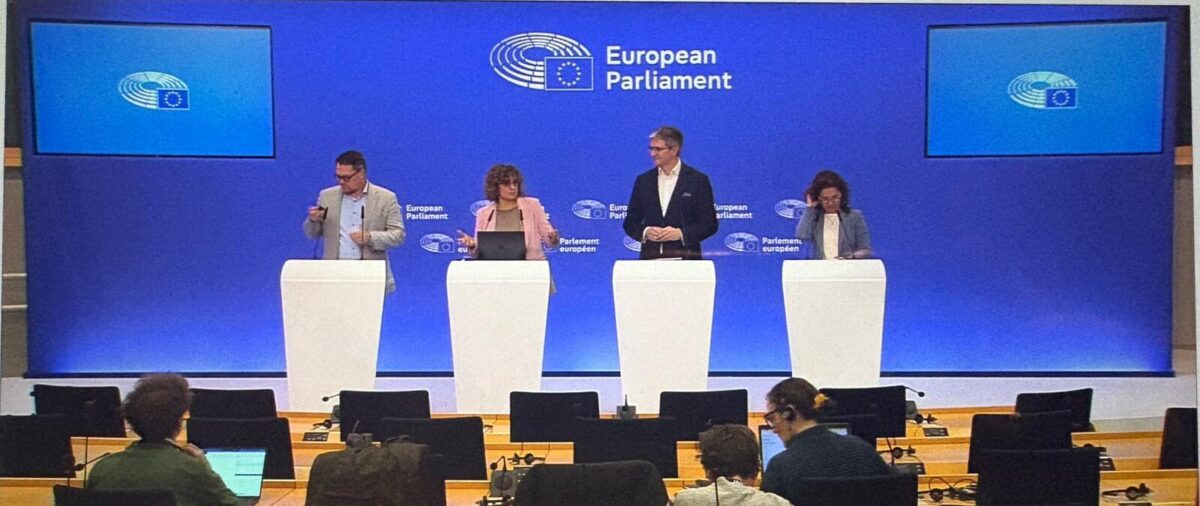
Bruxelles (eu24news) – negotiators representing the European Parliament, the Council of the European Union and the European Commission finalized a provisional agreement on the long-awaited pharmaceutical legislative package, marking a major milestone in the overhaul of the EU’s pharmaceutical framework.
Adam Jarubas EPP Chair of the Committee on Public Health (SANT) said: “We have managed to achieve a balance in the regulations of this largest reform of the EU medicines market in over 20 years”. “We need – Jarubas continued – new, innovative therapies for unmet medical needs, for conditions currently without treatment, rare diseases, paediatric medicines, new antibiotics. We need equal access to medicines in all Member States, without delays, as differences in access between EU Member States can now reach up to two and more years”.
The pharma package, the most extensive reform of EU medicines legislation in over two decades, aims to modernize rules governing the development, approval and availability of medicines across the bloc. The agreement concluded the so-called trilogue negotiations — informal tripartite talks that bridge the positions of the three co-legislators — and sets the stage for formal adoption in the months ahead.
S&D rapporteur on the pharmaceutical package regulation, Tiemo Wölken , said: “This agreement paves the way to addressing critical challenges such as medicines shortages and antimicrobial resistance. We are strengthening our healthcare infrastructure and boosting our collective resilience ahead of future health crises – a significant milestone in our pursuit of fairer, more accessible healthcare for all Europeans. Measures improving access to medicines, whilst incentivising areas of unmet medical needs, are crucial parts of this reform.”
At the heart of the deal is a balanced approach designed to enhance patient access to safe, effective, and affordable medicines, while also boosting the competitiveness and resilience of Europe’s pharmaceutical industry. The new framework is expected to streamline regulatory procedures, improve the security of supply to prevent shortages and foster innovation in key areas such as antimicrobials and treatments for unmet medical needs.
Dolors Montserrat, EPP rapporteur on the on the pharmaceutical package directive said in a press release: “This agreement sends a clear and powerful message: patients are at the heart of our commitment, and we have succeeded in bringing together all political forces in the European Parliament to push for greater access to medicines – ensuring innovation, fostering the development of more effective treatments, and securing more affordable options for every citizen”. She added: “Protecting innovation through strong intellectual property rights is essential. But it is equally important to facilitate the entry of generics and biosimilar medicines into the market. These products are also vital for the sustainability of national healthcare systems, offering lower prices and greater availability of medicines for citizens, while ensuring that this sector of the industry can fully access the market since the first day after the expiration of the market protection for the innovator”.
To address supply challenges that have persisted across the EU, the deal preserves provisions allowing member states to require companies to make medicines available in sufficient quantities to meet patient demand. Another notable element of the agreement is the introduction of a transferable exclusivity voucher aimed at incentivizing the development of priority antibiotics to combat antimicrobial resistance. To prevent undue pressure on national health budgets, use of such vouchers will be restricted for high-revenue products.
The deal now requires formal endorsement by both the European Parliament and the Council before being published in the Official Journal of the European Union and entering into force. Once adopted, the revised rules will lay a new foundation for pharmaceutical policy across the EU, balancing public health needs with industrial competitiveness.
#EUPharmaReform #HealthcareForAll #InnovationInMedicine #EqualAccess #AntimicrobialResistance #EUHealthPolicy
Scopri di più da eu24news
Abbonati per ricevere gli ultimi articoli inviati alla tua e-mail.